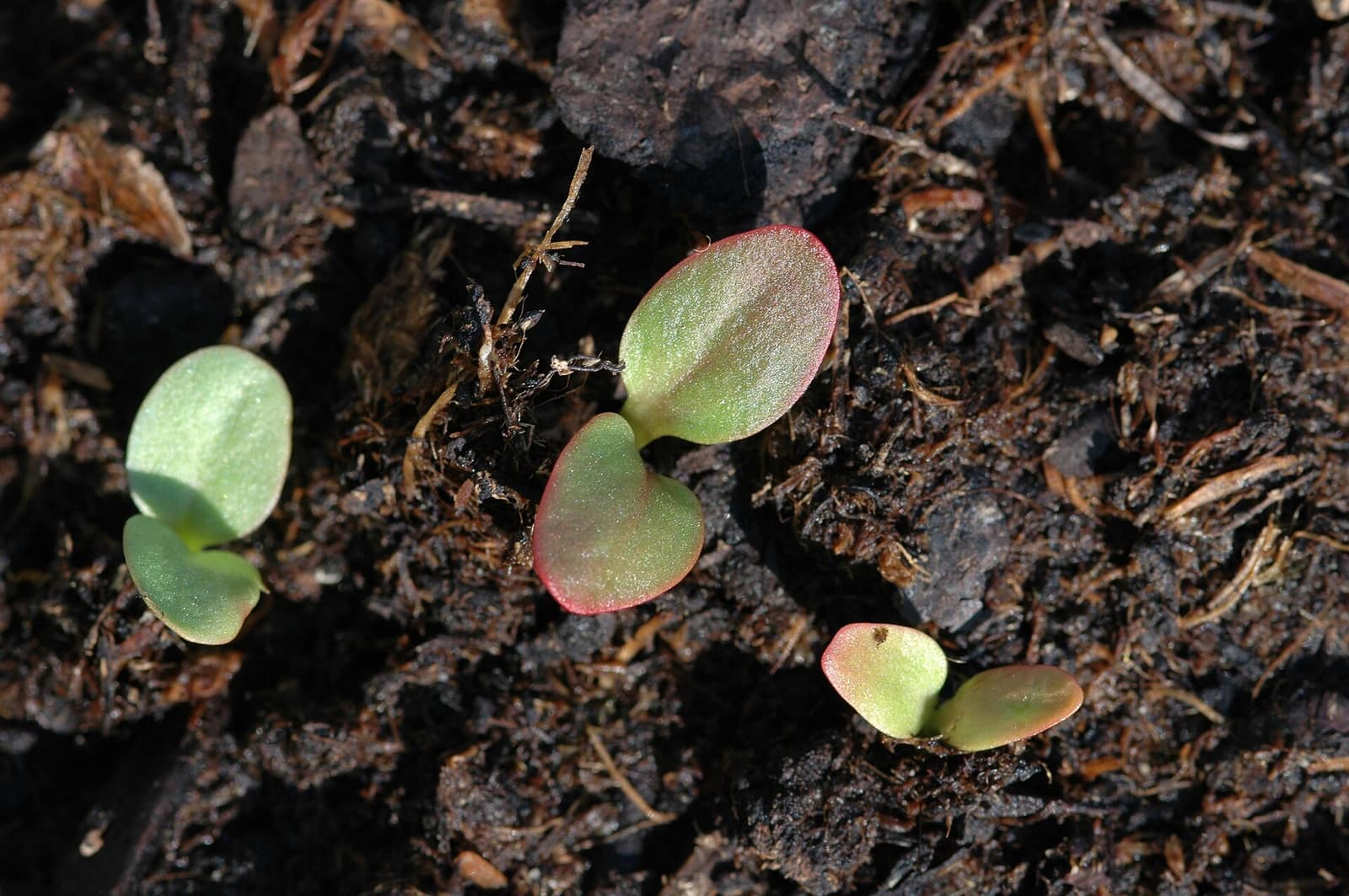

Rhubarb is one of the more generous plants you can put in a British garden. One good crown, planted in a cold month and left alone for a year, will keep a household in puddings and jam for over a decade. It does not want fussing with and it does not mind bad weather. It does want three things: deep soil, open ground, and patience in the first year.
Buying a crown
A ‘crown’ is a dormant piece of rhubarb root with at least one fat pink bud on it. Garden centres and seed catalogues sell them bare-root from November to March. Named varieties worth seeking out include Timperley Early (reliable for pulling in March), Victoria (the maincrop workhorse), Stockbridge Arrow (upright, bold red) and Champagne (slender, pink, early). Avoid loose crowns that have been sitting on a shelf without damp sawdust around them; the roots dry out quickly.
You can grow rhubarb from seed, but the resulting plants are variable and take an extra year. A crown skips that.
Where to put it
Choose a spot that gets sun for most of the day and is not shaded by a wall or hedge. Rhubarb will tolerate partial shade but the stalks go longer and paler. The soil wants to be deep, which the plant repays. On heavy clay, work a barrowload of garden compost into the planting hole; on sand, do the same for moisture-holding.
Give it room: a crown spreads to about a metre square once settled, and the leaves need air underneath them to stay healthy.
How to plant
- Dig a hole roughly 45 cm across and 30 cm deep.
- Half-fill with the soil you took out, mixed with a bucket of well-rotted manure or compost.
- Set the crown on top so the buds sit just at the soil surface. Burying the buds is the single most common reason a first-year crown rots.
- Firm the soil gently round the roots and water in, even if it is raining.
- Scatter an inch of chipped bark or compost around (not over) the crown as a mulch.
The Royal Horticultural Society’s own growing-rhubarb guide is the clearest reference if you want a second opinion; the advice above lines up with it.
The first year: do not pick
Leaving a new crown unpulled for its first full growing year is the hardest part. The leaves it throws up are not for eating; they are for building a root system. Pulling a stalk weakens that work and the plant will spend the next season catching up.
In the second year you can pull a few slender stalks, no more than one in four from the clump. From the third year onwards, take up to a third of the stalks in one go and the plant will keep pace.
Feeding and watering
Rhubarb is hungry. A top-dressing of well-rotted manure or garden compost in winter, piled around but not on the crown, keeps it in good heart. In a dry spring or summer, water deeply once a week rather than often and lightly; a crown in flower is usually a thirsty one.
If a flower spike appears in May or June, cut it out at the base. Flowering diverts energy from the stalks and signals that the plant is under stress.
The things that go wrong
- Thin, spindly stalks. The crown is probably congested. In the following November, lift it, split with a spade into pieces each with one or two fat buds, and replant the best pieces at least a metre apart. Compost the exhausted middle of the clump.
- Crown rot. Soft, brown tissue at the base after a wet winter. If the rot is small, cut it out with a clean knife, dust with fresh soil and hope. If the whole crown is mushy, lift and burn it; do not plant another rhubarb in the same spot for three years.
- Honey fungus. Rare, but fatal. White fan-shaped mycelium under the bark of nearby trees is a warning sign.
- Slugs on the shoots. Occasional, more cosmetic than damaging. A ring of wool pellets or bran usually sorts them.
Forcing a crown of your own
A single clump three years old or more will take forcing. In January or February, cover one crown with a tall bucket, bin or a traditional terracotta forcer and block the light completely. Six to eight weeks later you will have pale pink stalks a foot long, with a texture close to the Yorkshire forced article. Do not force the same crown two years running; it needs a rest.
Lifting and dividing
Every seven to ten years, lift the whole clump in the dormant season. Split it with a spade into pieces, each with at least one healthy bud, and replant two or three of them in refreshed soil. The remainder of the crown is still viable to share with a neighbour. Allow the replanted pieces one fallow year before picking, as if they were new. Rhubarb rewards you for not rushing it.